


Limited Harvest Olive Oil Collection Guide

The difference shows up the second the bottle is opened. A fresh, well-made oil from a limited harvest olive oil collection smells alive - green almond, cut grass, artichoke, a little pepper at the finish. That is a very different experience from the flat, tired oils that sit on grocery shelves with vague labels and no real sense of where they came from.
For buyers who care about flavor, origin, and how food is actually produced, a seasonal collection is more than a marketing detail. It is a practical sign that the oil was made in a specific harvest window, in limited quantity, and offered while it is at its best. When the producer harvests, presses, and bottles within a defined season, you are not buying an anonymous pantry staple. You are buying the result of one year, one place, and one standard.
What a limited harvest olive oil collection really means
A limited harvest olive oil collection begins with the agricultural reality of olive growing. Olives are harvested once a year. The quantity depends on weather, timing, fruit health, and the producer's quality decisions. If a brand is truly working from its own harvest instead of sourcing broadly from bulk suppliers, the amount available is naturally finite.
That matters because scarcity, in this case, is tied to freshness and control. The producer is not filling demand by blending from unknown lots across multiple regions or years. The collection reflects what the grove produced in that season and what was pressed under that producer's standards.
For shoppers in the US, this is often the clearest way to separate a farm-to-bottle extra virgin olive oil from a product that simply sounds Italian. A limited seasonal release suggests traceability. It tells you there is a known harvest, a known source, and a point when that inventory is gone.
Why seasonal olive oil tastes different
Fresh extra virgin olive oil is not static. It changes over time, even when stored properly. At its best, it has energy on the palate - fruitiness, bitterness, and a peppery finish that signal both quality and freshness. Those qualities soften as the oil ages.
A limited harvest olive oil collection appeals to serious home cooks because it respects that timeline. Instead of treating olive oil like a shelf-stable commodity with no season, it presents the oil as a fresh ingredient. That is how chefs and producers in olive-growing regions tend to think about it.
There is also a style difference. Early and carefully harvested oils often carry more vivid green flavors, more structure, and a more distinct finish. That profile is excellent for finishing soups, grilled fish, burrata, roasted vegetables, beans, and good bread. Some buyers prefer a gentler oil for everyday sautéing, and that is fair. But if the goal is character, seasonal oil almost always brings more to the table.
The value of provenance in a limited harvest olive oil collection
Origin is easy to claim and harder to prove. That is why provenance matters so much in premium olive oil. A bottle tied to a family producer, a specific region, and a single annual harvest offers a level of confidence that broad import blends usually cannot.
Umbria, for example, is known for oils with balance and personality - grassy, savory, sometimes peppery, often beautifully suited to finishing dishes where the oil is meant to be tasted rather than hidden. When a collection comes directly from that source, rather than through layers of sourcing and relabeling, the story and the flavor tend to align.
This is where a true producer stands apart. If the same family oversees harvest, pressing, and bottling, there is less distance between the grove and the customer. That does not automatically make every bottle better, but it does create accountability. And for premium buyers, accountability is part of the product.
How to shop a limited harvest olive oil collection well
The smartest buyers do not just look for the words extra virgin. They look for signs that the oil has a real point of origin and a reason for being limited. A harvest-based collection should feel seasonal, not endlessly available. It should also be presented with confidence around source, timing, and production.
Bottle size and bundle format matter too. A 500ML bottle is often ideal for households that use olive oil regularly and want to keep it fresh once opened. Multi-bottle bundles make sense if you cook often, share with family, or want to keep unopened bottles in reserve. Gift-ready sets are especially strong when the oil has a clear provenance story, because the bottle becomes both a pantry staple and a thoughtful expression of taste.
Price is another area where context matters. Premium olive oil from a limited annual collection will cost more than mass-market oil. That is not only because of branding. It reflects lower volume, direct production, import logistics, and the fact that quality-focused producers are not chasing the cheapest possible yield. For buyers who actually taste the difference, the value is easy to understand. For buyers using olive oil only as a background cooking fat, the trade-off may feel less compelling.
When a limited harvest olive oil collection is worth it
If olive oil is one of the main flavors in your kitchen, a seasonal collection is worth serious attention. It changes simple food. A bowl of lentils becomes richer and brighter. Toasted sourdough with a sprinkle of salt becomes dinner-worthy. Grilled chicken, white beans, tomatoes, and even vanilla ice cream can all benefit from an oil with freshness and structure.
It is also worth it for people who entertain. A bottle on the counter says something about how you cook and what you value. Guests notice when the oil served with bread has aroma and a peppery finish instead of the waxy dullness many have come to expect.
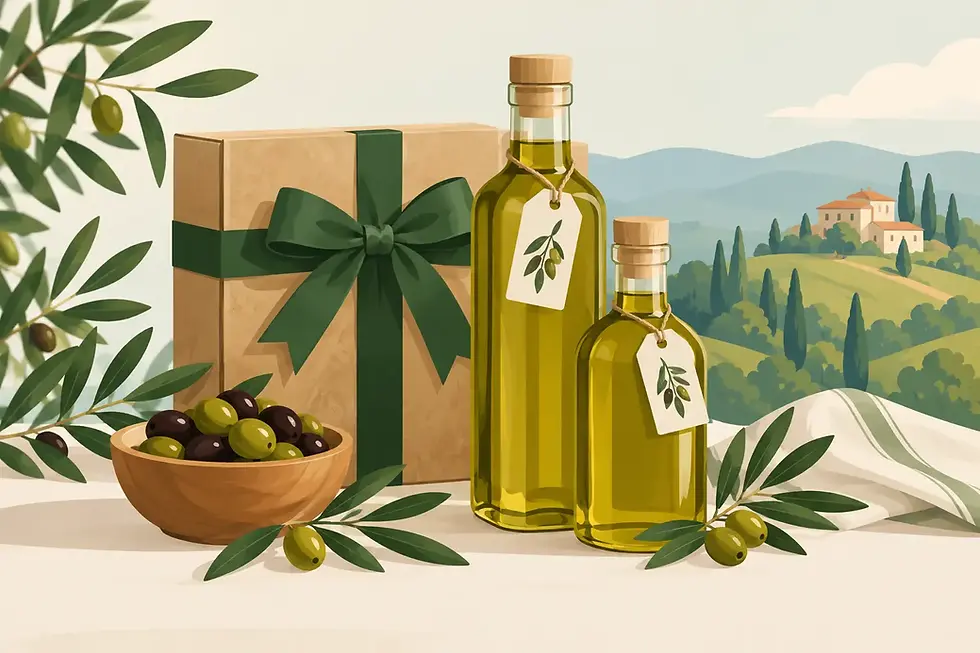
And then there is gifting. Olive oil is one of the rare food gifts that feels both luxurious and useful. A limited collection adds another layer of appeal because it is seasonal and finite. It feels chosen rather than generic.
What to expect from a premium harvest release
A good limited harvest olive oil collection should feel edited, not overextended. The focus is usually on the oil itself, the season it comes from, and the formats that fit real households - single bottles, a few practical bundles, and giftable sets.
You should also expect a strong sensory identity. Premium extra virgin olive oil should not be neutral. Depending on the cultivar and harvest timing, it may lean more green and peppery or more round and almond-like. Neither profile is automatically better. The right choice depends on how you cook. A brighter, more assertive oil is excellent for finishing. A softer one may be more flexible if you use it generously across many dishes.
Storage still matters once the bottle reaches your kitchen. Keep it away from heat, direct light, and prolonged air exposure. Even the best oil cannot stay at peak condition if it lives beside a hot stove with the cap loose.
Why direct-from-source matters to American buyers
US customers who buy specialty foods online are often sorting through polished packaging and borrowed heritage language. The phrase imported from Italy is not enough on its own. What matters is who made it, where it was made, and whether the brand can speak clearly about the process.
That is why a producer-led model resonates. When the people selling the oil are tied directly to the harvest and bottling, the product feels grounded. Bonacci EVOO fits that expectation especially well because the promise is simple: true extra virgin olive oil direct from Umbria, offered as a limited annual collection rather than an endless generic inventory.
For many buyers, that clarity is the whole point. They are not looking for the cheapest bottle. They are looking for one they can trust, one they want to cook with, and one they are proud to pour at the table.
A limited harvest olive oil collection is best thought of as a seasonal ingredient with a short window of peak excitement. If you love to cook, care about provenance, or want to give something with real substance behind it, that kind of bottle earns its place quickly. The pleasure is simple: fresh oil, honest origin, and a taste that reminds you why olive oil should never be an afterthought.


Comments