


A Guide to Olive Oil Harvest Season in Umbria

The first cool mornings of autumn change everything in an Umbrian olive grove. Fruit that has spent the summer gathering sun begins to shift from bright green toward violet, nets are set beneath the trees, and the work of the year becomes urgent. This guide to olive oil harvest season explains why those few weeks matter so much to the flavor, aroma, and character of the extra virgin olive oil on your table.
For those who care about what they cook with, harvest season is more than a romantic image of Italy. It is the point when decisions in the grove and at the mill determine whether an oil tastes vivid and alive or simply flat and greasy. Great olive oil begins with great fruit, handled without delay.
When Is Olive Oil Harvest Season?
In Umbria, olive harvest generally begins in October and can continue into November or early December. The exact timing changes each year. Weather, elevation, olive variety, rainfall, and the condition of the fruit all influence the decision to pick.
There is no single perfect harvest date for every grove. Olives ripen gradually, and even trees growing a short distance apart can mature at different rates. Experienced growers watch the fruit closely, looking at its color, firmness, oil content, and flavor rather than relying on the calendar alone.
Early harvesting usually means greener olives and a lower oil yield. This is an important trade-off: fewer bottles may be produced, but the oil can offer remarkable freshness, green fruit notes, and the peppery finish associated with high-quality extra virgin olive oil. Waiting longer can yield more oil from each olive, often with a softer, rounder profile. The goal is not simply to harvest early or late. It is to harvest at the moment that best expresses the fruit.
The Color of an Olive Is Only One Clue
Many people assume black olives are ripe and green olives are unripe. In reality, olive color alone does not tell the whole story. A single branch may hold fruit in several shades, from green to purple to deep black. Different varieties also change color in different ways.
Growers use color as one signal among many. They also consider the flesh of the olive, the amount of oil developing inside it, and the flavor they hope to create. In central Italy, cultivars such as Frantoio, Leccino, and Moraiolo can contribute distinct personalities to a finished oil, from delicate almond and fresh grass to artichoke, herbs, and a confident peppery bite.
Why Harvest Speed Shapes True EVOO
Once an olive is picked, the clock starts. Olives are fruit, and like any fresh fruit, they begin to deteriorate after harvest. Bruising, heat, and long waits before milling can encourage fermentation and oxidation, creating defects that no beautiful bottle can hide.
That is why careful producers move olives quickly from grove to mill. They use ventilated crates rather than deep piles or sealed bags, keep fruit protected from excessive heat, and press as soon as possible. The best practice is often milling on the day of harvest.
At the mill, olives are cleaned, crushed, and gently mixed so their tiny oil droplets can join together before separation. Temperature and time matter here, too. The phrase "cold extracted" refers to oil made under controlled temperatures, helping preserve delicate aromas and naturally occurring compounds. It is meaningful when paired with fresh fruit and disciplined milling, not when used as a substitute for traceability.
A premium oil should be valued for the full chain of custody: who tended the trees, when the olives were picked, how quickly they were milled, and how the finished oil was stored and bottled. This is the difference between knowing an oil is Italian and knowing where it truly came from.
What Fresh-Harvest Olive Oil Tastes Like
Fresh extra virgin olive oil is not meant to taste neutral. Its aroma and flavor should remind you that it came from fruit. Depending on the variety and harvest timing, you may notice cut grass, green tomato, artichoke, fresh herbs, almond, citrus peel, or wild greens.
Bitterness and pepperiness can surprise people accustomed to mild supermarket oils, but both can be welcome signs in a well-made EVOO. The pleasant sting at the back of the throat is often tied to phenolic compounds naturally present in fresh olive oil. It should feel clean and lively, not harsh or stale.
Think of fresh EVOO the way you might think of a just-picked tomato or a newly opened bottle of wine. It has energy. Over time, every olive oil will gradually lose some of those bright notes, which is why a recent harvest and proper storage matter to anyone seeking the best flavor.
How to Read Harvest Information on a Bottle
A harvest date is one of the most useful details a producer can share. It tells you when the olives were picked, which is more meaningful than a generic best-by date. A best-by date may help indicate shelf life, but it does not reveal how old the oil was when it reached the shelf.
When choosing a bottle, look for a clearly stated harvest season or harvest date, a named region of origin, and a producer willing to stand behind the oil. Labels such as "packed in Italy" do not necessarily mean the olives were grown, milled, and bottled there. For a food as elemental as olive oil, specificity is a mark of care.
Bottle choice matters as well. Dark glass or opaque packaging helps shield oil from light, one of its main enemies. Once home, keep your EVOO in a cool, dark cupboard away from the stove and direct sunlight. Do not save it indefinitely for a special occasion. Fresh oil is made to be enjoyed while its personality is still vivid.
Use Fresh Oil Where You Can Taste It
A new-season olive oil earns its place at the center of the plate. Spoon it over warm beans with rosemary, finish a bowl of lentils, dress bitter greens, or pour it over grilled fish just before serving. It can transform a simple piece of toasted bread into a proper small meal.
It is also a beautiful companion for dishes that need contrast. A peppery Umbrian oil can bring lift to creamy soups, roasted squash, fresh mozzarella, eggs, or pasta with Parmigiano. Use it in cooking, certainly, but reserve some for finishing. Heat changes flavor, while a final pour lets the oil speak clearly.
The Season Behind a Limited Collection
Olive oil is agricultural, not industrial. Each harvest reflects a particular year in the grove: a dry summer, a rainy spring, a cool October morning, or a shorter picking window than expected. That variation is part of the pleasure of buying oil from a producer with a direct connection to the land.
A limited annual collection respects that reality. Rather than treating olive oil as an interchangeable pantry commodity, it recognizes that every harvest has a beginning, a peak, and a finite supply. At Bonacci EVOO, the connection from harvest and pressing in Umbria to the bottle is central to what makes the oil worth seeking out.
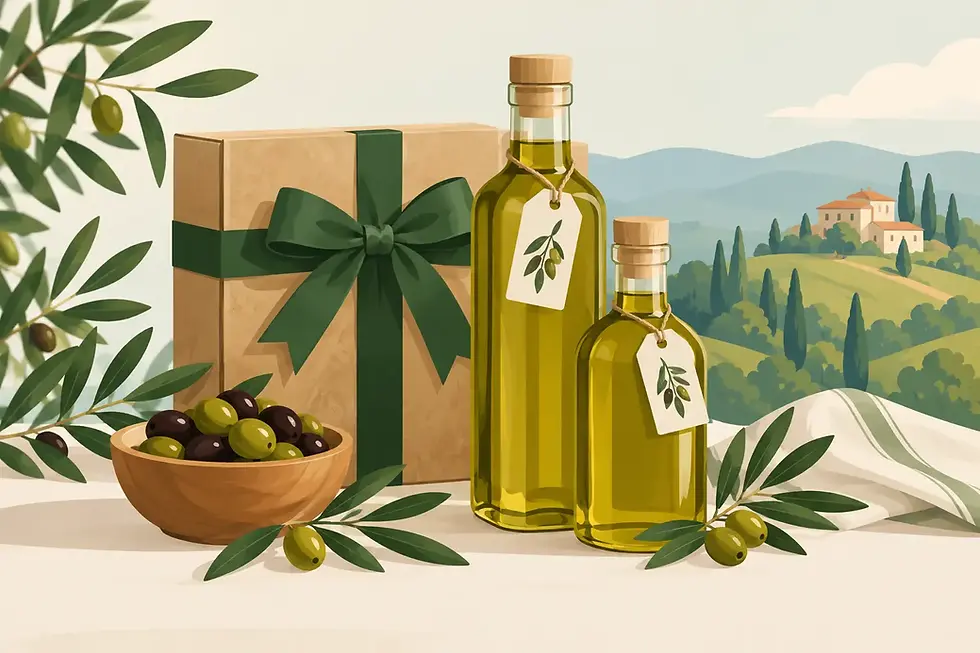
For gift buyers, a fresh collection also carries more meaning than a generic bottle. It is a taste of a specific place and season, chosen for someone who notices the difference between an everyday ingredient and an exceptional one. For home cooks, it is an invitation to cook more simply and let excellent ingredients do their work.
When the new harvest arrives, open the bottle with something humble: warm bread, a pinch of sea salt, and a quiet moment at the kitchen counter. The green aroma, the gentle bitterness, and that peppery finish are the season itself, carried from an Umbrian grove to your table.


Comments