


How to Spot True Extra Virgin Olive Oil Brands

If you have ever brought home a bottle that looked elegant on the shelf but tasted flat, greasy, or strangely dull, you already know the problem. Not all true extra virgin olive oil brands deliver the same freshness, integrity, or flavor, and for American shoppers, the label alone rarely tells the full story.
For anyone who cooks with intention, olive oil is not just a pantry staple. It is an ingredient that can sharpen a salad, finish grilled vegetables, bring warmth to soup, or turn good bread into something memorable. That is why choosing the right bottle matters. A genuine extra virgin olive oil should taste alive - fragrant, green, sometimes peppery, and always clean.
What true extra virgin olive oil brands actually prove
The phrase sounds simple, but the difference between a marketing claim and a trustworthy product often comes down to proof. True extra virgin olive oil brands usually give you a clearer line back to where the oil came from, when the olives were harvested, and how the oil was handled after pressing.
That matters because olive oil is highly sensitive to time, heat, and light. A bottle can begin with excellent fruit and still lose much of its character if it sits too long in storage or moves through too many hands before it reaches your kitchen. When a producer has direct control over harvest, milling, bottling, and export, the odds of preserving quality improve considerably.
This is also where provenance carries real value. Oil from a defined growing region, produced by people close to the land, often tells you more than a broad label that simply says it was packed in Italy or sourced from multiple countries. Those broad labels are not always bad, but they can make it harder to understand what you are actually buying.
How to evaluate true extra virgin olive oil brands before you buy
The best bottles tend to answer a few practical questions without making you work for them. Where was the oil produced? When was it harvested? Who made it? How specific is the label? If those details are vague, it is reasonable to be cautious.
Look for a real place, not just a romantic image
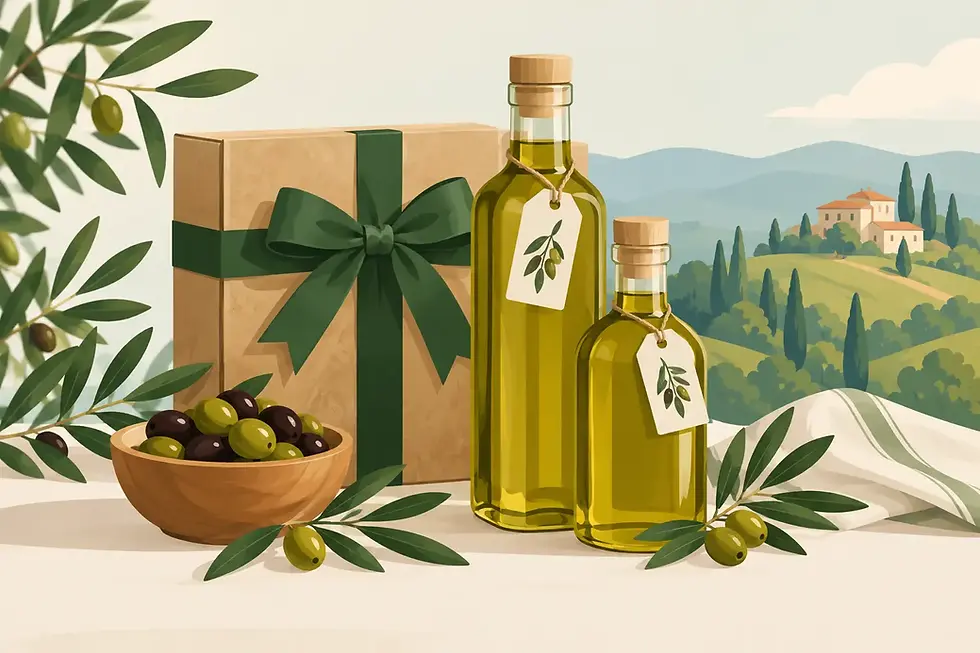
A beautiful Italian landscape on the front label is not the same thing as traceability. True extra virgin olive oil brands usually identify a real region, estate, farm, or producer. A specific place like Umbria, especially when paired with producer information, gives buyers something concrete.
The more exact the origin, the easier it is to trust the story behind the bottle. A named region also suggests the producer is proud of the oil's character rather than trying to sell a generic Mediterranean impression.
Check for harvest timing, not just expiration dates
An expiration date tells you very little about peak flavor. Harvest date is far more useful. Olive oil is fresh fruit juice, and its sensory qualities are strongest when it is relatively recent.
That does not mean every bottle older than a few months is poor. Properly stored oil can still be excellent well after harvest. But if a brand never mentions harvest timing at all, that absence is worth noticing. True extra virgin olive oil brands usually understand that freshness is part of the value.
Pay attention to the bottle itself
Packaging is not just presentation. Dark glass or protective tins help defend oil from light exposure, which can speed deterioration. Clear glass may look attractive, but it is usually a compromise in favor of shelf appeal.
Size matters too. If you cook with olive oil regularly, buying a format you will finish within a reasonable window is smarter than stretching one large bottle for too long. Premium oil rewards use. It is meant for the table, not for permanent display.
What good extra virgin olive oil should taste like
A lot of shoppers have been conditioned to think smooth and neutral means high quality. In fresh extra virgin olive oil, that is often not the case. Good oil should have character.
You may notice aromas of fresh-cut grass, artichoke, green almond, herbs, or tomato leaf. On the palate, bitterness can be a positive sign, especially in oils made from healthy early-harvest olives. Pepperiness at the back of the throat is also common and often desirable. That slight bite is not a defect. It can be a sign of freshness and natural antioxidants.
Of course, style varies by cultivar and region. Some oils are softer and buttery. Others are vivid and assertive. The point is not that every excellent oil tastes aggressive. The point is that it should taste intentional, fresh, and clean, not stale, waxy, or lifeless.
Signs something is off
If an oil smells like crayons, old nuts, putty, wet cardboard, or has a heavy greasy finish, quality may have faded. Even a once-good oil can lose its appeal through age or poor storage. That is one reason discerning buyers often prefer producers with tighter control and more direct routes to market.
Why direct sourcing matters with true extra virgin olive oil brands
One of the biggest differences between premium producers and mass-market brands is distance from the source. The more layered the supply chain, the more room there is for blending, delays, storage issues, and diluted accountability.
Direct sourcing does not automatically guarantee excellence, but it usually creates better conditions for it. When a brand can say it harvests, presses, and bottles its own oil, that tells a very different story from a company that mainly curates or repackages oil produced elsewhere.
For buyers in the US, that distinction is especially meaningful. Imported olive oil can be wonderful, but imported oil with a clear chain of custody is more reassuring than a bottle built around vague heritage language. This is where a farm-to-bottle model stands apart. It offers not just romance, but responsibility.
A family-rooted producer with a defined annual collection also tends to treat olive oil as seasonal, not interchangeable. That approach aligns with how fine ingredients should be sold. Freshness has a calendar. Availability has limits. Quality is not an endless commodity.
Price, prestige, and what you are really paying for
Premium olive oil is not priced like commodity oil, and that is not simply branding. Harvesting quality fruit at the right moment, milling quickly, bottling carefully, and moving smaller volumes with traceability all cost more.
That said, higher price alone is not proof of authenticity. Some bottles are expensive because the packaging is beautiful or the marketing is polished. True extra virgin olive oil brands justify the price with flavor, transparency, and consistency.
For many home cooks, the smartest approach is to think in terms of use. A special bottle for finishing, dipping, and serving at the table may be worth the premium because that is where you taste it most clearly. If you use olive oil generously every day, you may want both a premium finishing oil and a reliable everyday bottle. It depends on your cooking style, but in either case, traceability should still matter.
The role of region in flavor and trust
Italian olive oil is not one thing. Oils from Umbria, Tuscany, Sicily, and Puglia can differ noticeably in aroma and intensity. That variation is part of the pleasure. It also reminds buyers that a real region says more than a generic national identity.
For shoppers drawn to Italy, Umbria often stands out for oils with elegance, structure, and a lively green profile. When a producer is tied directly to that place, the regional story becomes more than a label. It becomes a source of flavor.
This is one reason Bonacci EVOO resonates with buyers who care about authenticity. A direct connection to family production in Umbria signals something specific and credible - not just imported olive oil, but a seasonal expression of a known place.
Buying with more confidence
The best way to shop is with a little skepticism and a little sensory curiosity. Read beyond the front label. Look for origin details, harvest transparency, and signs that the producer stands close to the oil itself. Then taste with attention.
A trustworthy bottle should make food better almost immediately. It should give a simple tomato salad more edge, make grilled fish feel more complete, and turn warm bread into a course of its own. When olive oil tastes fresh and alive, you do not need a sales pitch to understand the difference.
The next time you compare true extra virgin olive oil brands, trust the details that point back to the grove, the mill, and the harvest. That is usually where the real quality begins.


Comments